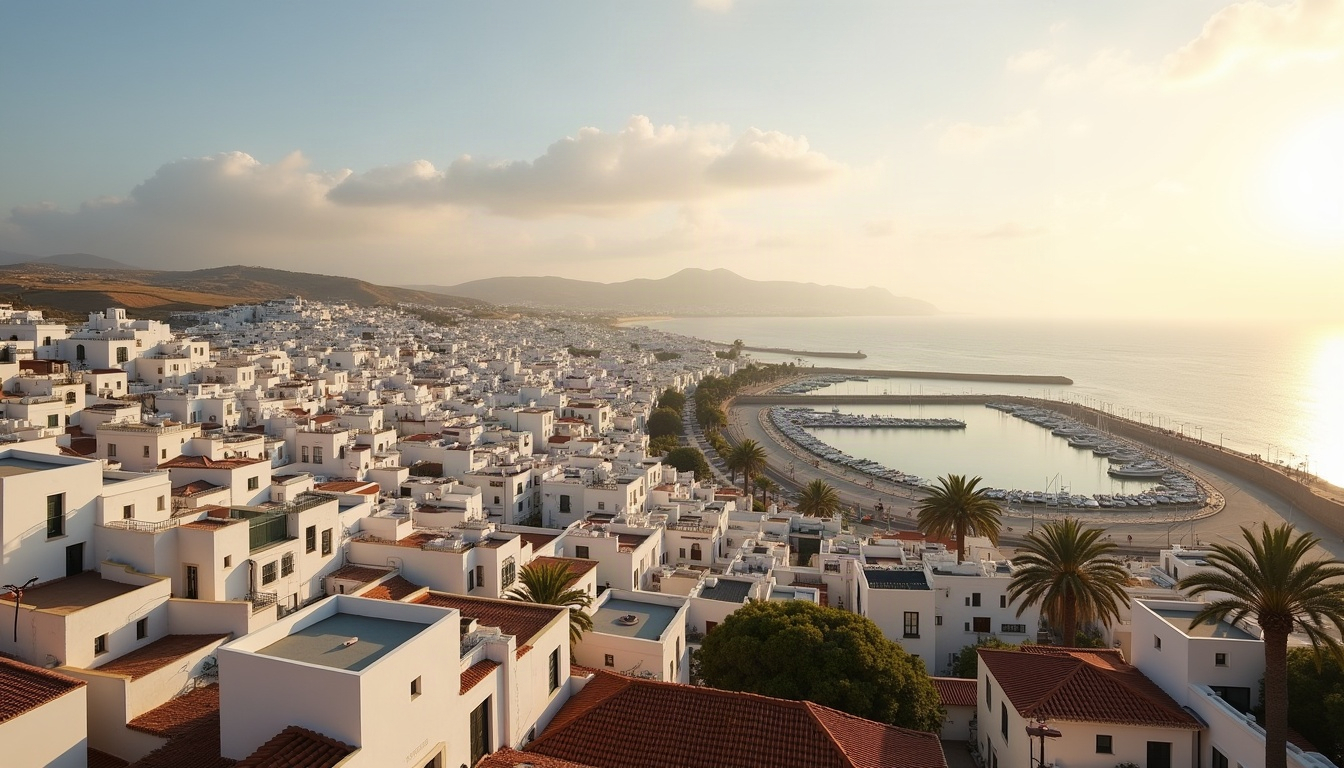
Perched on the Strait of Gibraltar, Tangier has turned its mythical past as Morocco’s gateway into hard economic power: the city is now the Kingdom’s second-largest economic hub and the centre of Africa’s number-one automotive cluster. The Tanger-Assilah prefecture reached 1,494,413 residents in the 2024 census — 40% growth in ten years, the fastest in northern Morocco.
Industry: where Africa builds cars
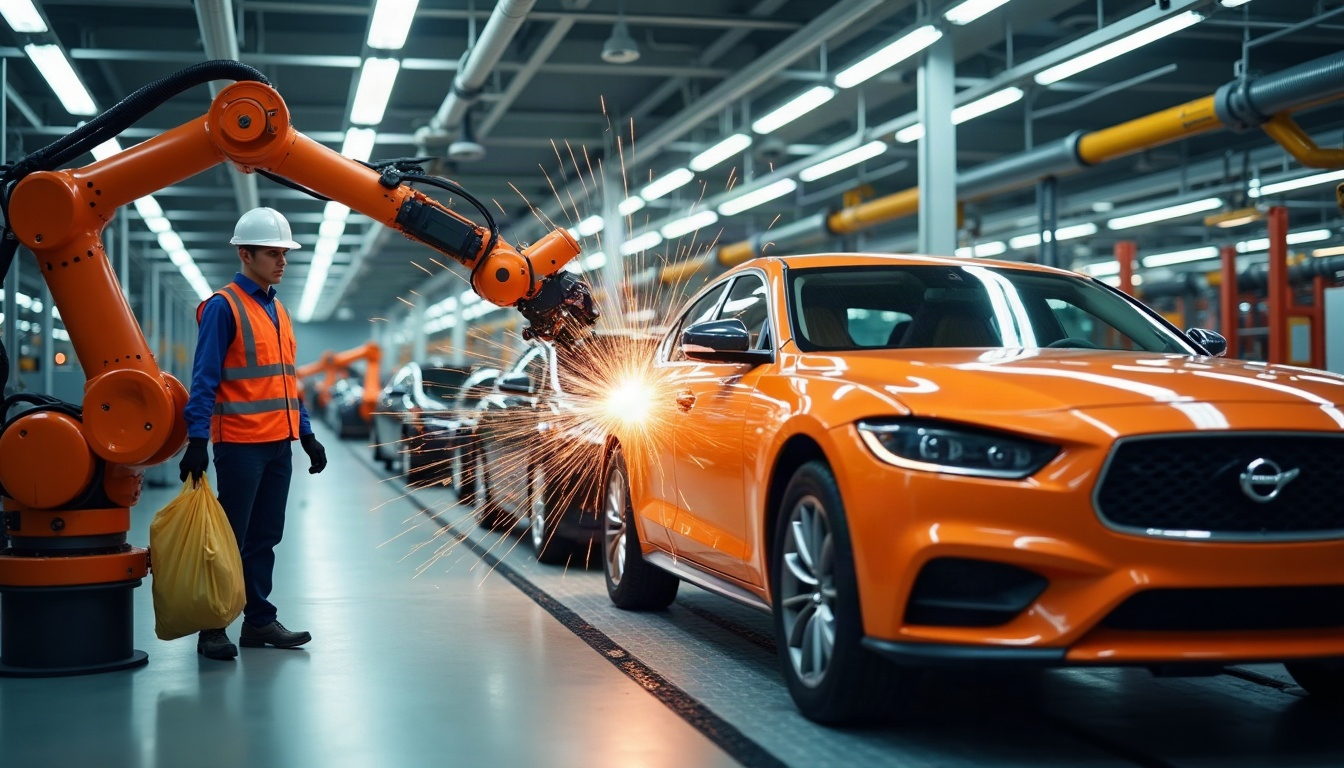
- Renault Tangier plant (Melloussa): the largest car factory in Africa, shipping directly through Tanger Med;
- Tangier Free Zone (TFZ): Morocco’s pioneer free zone since 1999 — 400+ companies in automotive, aerospace, electronics and technical textiles;
- Tangier Automotive City: a dedicated park for tier-1 and tier-2 suppliers;
- Mohammed VI Tangier Tech City: a new 2,000-hectare industrial city built with Chinese partners for next-generation manufacturing.
World-class connectivity
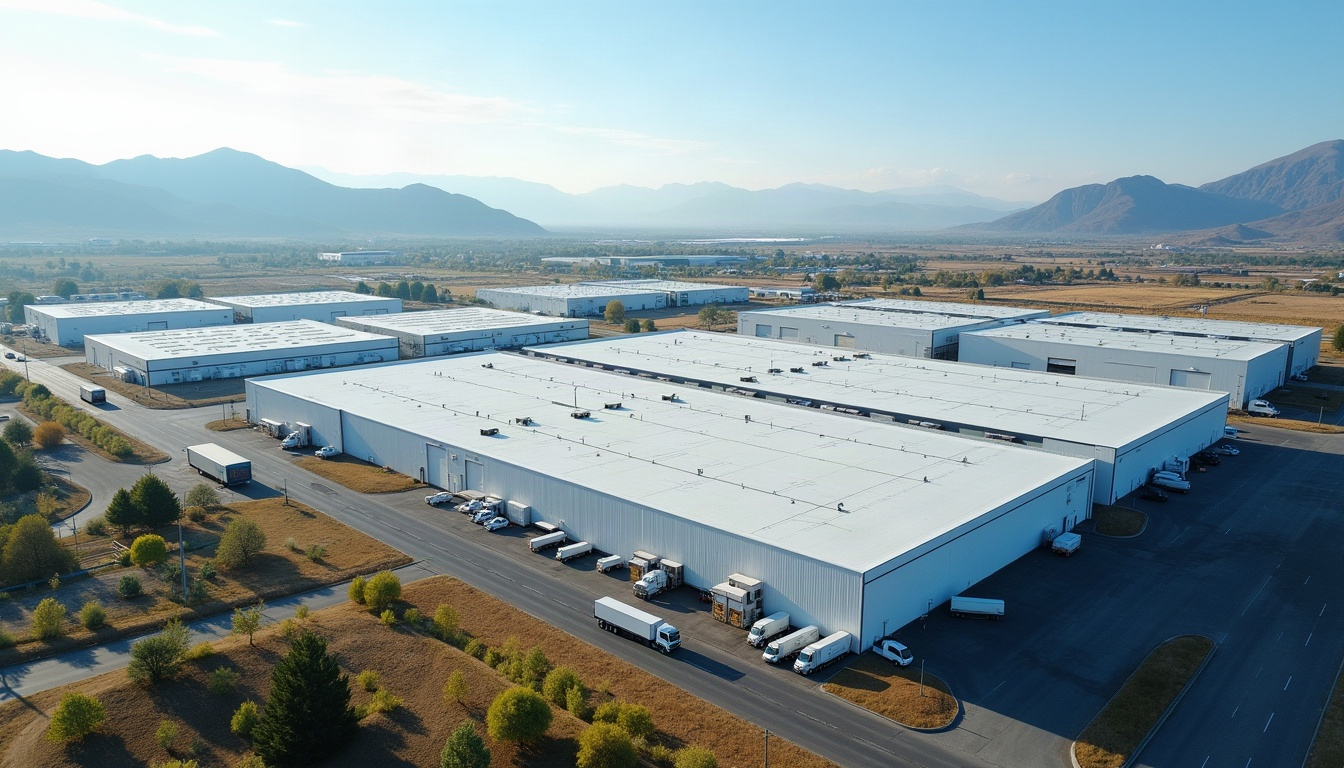
- Tanger Med port, 35 km away — the Mediterranean’s largest container port;
- Tangier Ville port: cruise terminal, fast ferries to Spain and a 1,400-berth marina;
- Al Boraq high-speed rail: Casablanca in 2h10, Rabat in 1h20;
- Ibn Battouta international airport with daily European connections;
- The A1/A4 motorways and the Tangier–Tetouan expressway.
Talent and liveability
Abdelmalek Essaadi University, engineering and business schools, and sector training institutes (IFMIA automotive academy, OFPPT network) feed the labour pool. International schools, a renovated medina and bay, and a mild two-sea climate make Tangier an easy posting for expatriate managers.
Tourism and the 2030 World Cup
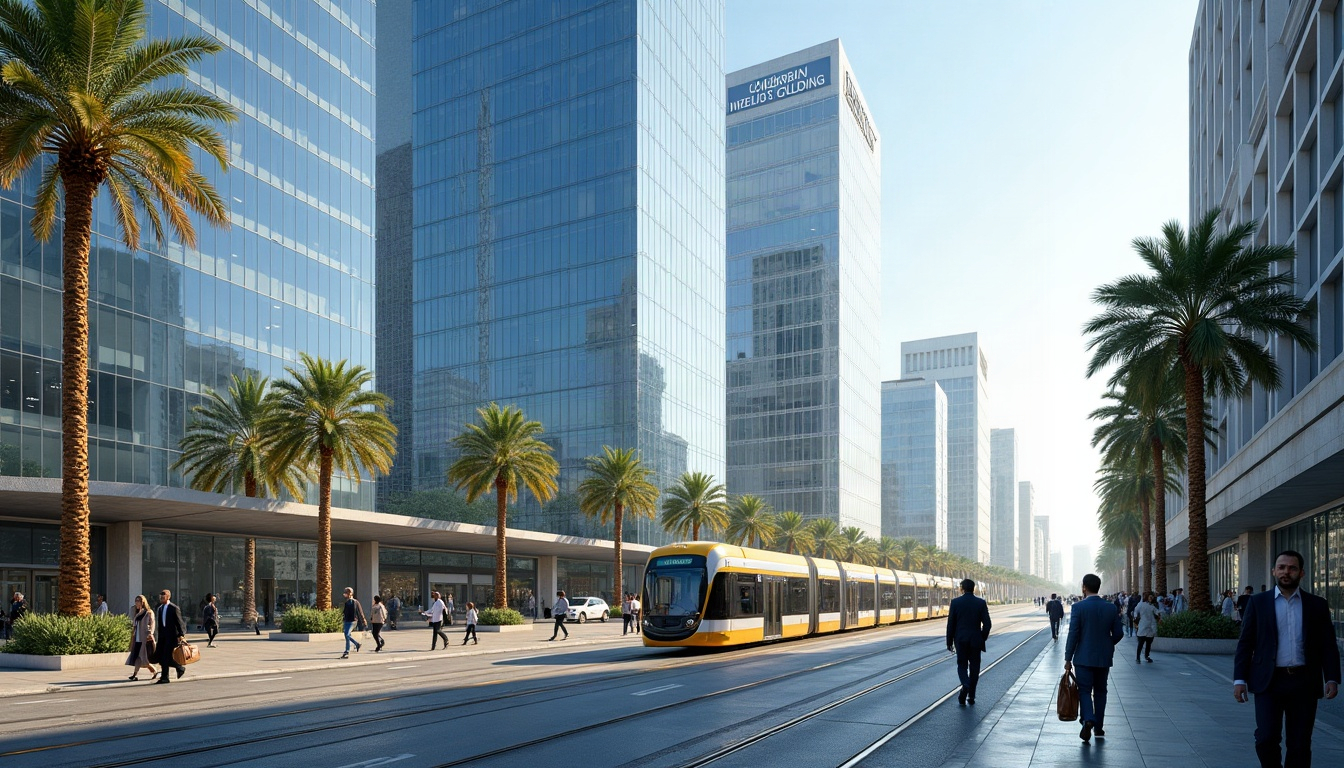
A host city of the 2030 FIFA World Cup, Tangier has expanded its Grand Stadium beyond 75,000 seats, and its hotel pipeline, marina and conference facilities are scaling up accordingly — a structural boost for tourism, real estate and urban services investment.
Ready to move? See how to start a business and where to locate.